Table Of Content
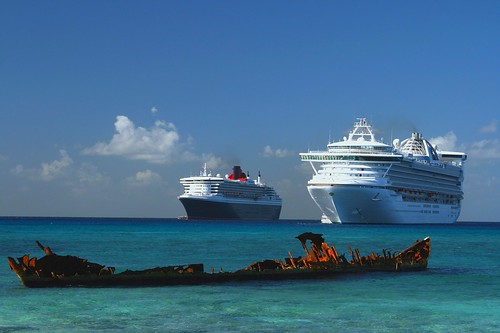
However, you may be surprised to learn that she’s not technically a cruise ship, she’s an ocean liner! This ship is designed to transport passengers across the Atlantic, sitting lower in the water with a pointed bow and an extra-thick hull compared to a true cruise ship. Their engines produce about 3,500 horsepower each giving them enough energy to propel the ship at a steady pace. Some newer models boast even higher speeds such as those found onboard the Pacific Aria. Not only do you want to know how fast your ship goes, but you also want to know whether or not it’s safe to board. In fact, some countries have laws regarding maximum speeds which vary depending upon the type of vessel involved.
How Fast is the Queen Mary II Cruise Ship?
Depending on the weather and other factors, a ship may take longer to travel 480 nautical miles. Although it sounds like a fun science experiment, no one these days has to stand on the bow and toss a knotted rope over the side. Modern cruise ships rely on GPS tools to monitor and adjust speed.
How Big is a Cruise Ship? (2023) Cruise.Blog - Cruise Blog
How Big is a Cruise Ship? ( Cruise.Blog.
Posted: Tue, 20 Jun 2023 07:00:00 GMT [source]
How fast is a knot in miles per hour?
There are three restaurants, six lounges, eight bars, nine swimming pools, and seven whirlpool spas. In addition, there are several shops where you can purchase souvenirs and gifts. Unless you’ve undertaken illegal drag racing, the chances are you haven’t. While this is partly because of safety concerns and law, your car also burns more fuel the faster you go. Higher speeds require more fuel, so cruise lines strive to find the right balance between speed, efficiency, and passenger satisfaction to create an enjoyable cruising experience.
How fast do Royal Caribbean ships go?
The website saves the commenter’s name, email, and website for the next time they comment. To ensure a personalized experience, I make it a point to respond to as many comments as possible. They tend to have a longer, pointed bow that helps them navigate high rising ocean waves. They also have an extra thick hull to maintain stability in rough conditions.
How Fast Do Sailing Boats Go?
Exploring how cruise ships operate teaches us all about the speed of a cruise, the differences between ship types, and general marine travel. A typical cruise ship travels anywhere from 5,000 miles per day to 8,000 miles. Depending on the route taken, a cruise ship could cover more distance during a single trip. Did you know cruise ships will purposely slow down when arriving in port? You will rarely arrive earlier than expected, and that is because cruise lines are charged docking fees based on the amount of time spent in each port.
Weather & Sea Conditions
This prevents the boat from unexpectedly running into objects at low tide or in shallow seas. In open water, ships often move much faster toward faraway destinations. There’s more room to maneuver in deep water far away from populated areas. Designing and building a new cruise ship is a complex process that involves extensive research, planning, and shipbuilding techniques. From the initial concept to the final product, every detail is carefully considered to ensure a safe and enjoyable experience for passengers. The Queen Mary 2 can make a transatlantic crossing in five days at its top speed.

Keep reading to learn what the top speed of a cruise ship is and why they never go at full speed. So, here’s the scoop on how speed affects your itinerary on the high seas. These propellor systems turn “screws” instead of long propellors like a plane. These screws need a lot of torque, instead of a lot of high-speed to operate. Cruising speed also improves fuel efficiency, the same way a certain speed improves fuel efficiency for your car. You may be able to drive your car at 80 MPH on the highway, but you’ll burn through a lot less gas if you drive at a steady 65 MPH.
It’s important to note that high-speed cruise ships generally prioritize speed over leisurely travel. While they provide an exciting and time-saving option for certain voyages, they may not offer the same level of relaxation and immersive experience as slower-paced cruises. Therefore, it’s essential to consider your preferences and priorities when selecting a cruise ship, taking into account the desired balance between speed and onboard amenities. When it comes to the world of cruising, one of the factors that captivates travelers is the speed at which cruise ships travel.
Why Do We Use Knots Instead of MPH?
Furthermore, maintaining a steady and comfortable speed ensures a smoother and more enjoyable voyage for passengers. In comparing the Titanic and modern cruise ships, it’s evident that there have been significant improvements in passenger comfort and safety over the years. Cruise ships travel relatively slowly, with an average speed of 18 to 22 knots (20 to 25 miles per hour). Ocean liners like Queen Mary 2 can reach top speeds of 30 knots, but for true cruise ships, the maximum speed is more like 25 knots. This article will tell you how fast cruise ships go in mph as well as the nautical equivalent – knots.
Of course, this doesn’t include the weight of thousands of human passengers and everything they’ve brought with them. I worked as an officer in the deck department on various types of vessels, including oil and chemical tankers, LPG carriers, and even reefer and TSHD in the early years. Currently employed as Marine Surveyor carrying cargo, draft, bunker, and warranty survey. Our goal has been to provide our readers with expansive coverage of all aspects of the Royal Caribbean experience.
A log consisted of rope with uniformly set knots attached to a piece of wood. The device would float behind the vessel and release the rope as the boat advanced. After a specific time passed, sailors brought the rope back in and counted the knots between the boat and the wood.
Factors such as ship size, engine power, weather conditions, route and distance, and regulatory restrictions all play a role in determining the speed at which a cruise ship operates. Did you know that the average cruising speed of a cruise ship is between 18 to 22 knots, covering around 480 nautical miles in a day? Fuel consumption is another crucial factor affecting the speed of cruise ships. Operating at higher speeds requires more fuel, which can be a significant cost for cruise lines.
First and foremost, vessels keep a consistent cruising speed for fuel efficiency. Larger vessels may travel faster at anywhere from 21 to 24 knots. Royal Caribbean states that the average speed of their cruise ships is 18 to 20 knots.




No comments:
Post a Comment